

Hi-Def Liposuction, also known as 4D Body Contouring, is an advanced body sculpting procedure designed to enhance natural muscle definition while reducing stubborn fat in targeted areas. Unlike traditional liposuction, which mainly focuses on slimming, Hi-Def Liposuction aims to create a more athletic, “etched” look by strategically removing fat around muscle groups—such as the abs, flanks, chest, arms, and back—so underlying contours appear sharper and more defined.
Because results depend heavily on precision and anatomy, 4D Body Contouring is typically best suited for people who are already close to their ideal weight but want more visible definition that diet and exercise haven’t been able to achieve. A personalized surgical plan considers factors like fat distribution, skin elasticity, and your desired level of definition, and it may be combined with techniques such as fat grafting to enhance specific areas. With proper recovery and a stable lifestyle, Hi-Def Liposuction can deliver natural-looking, dynamic results that look impressive both at rest and in motion.
What Is Hi-Def Liposuction (4D Body Contouring)?
Hi-Def Liposuction (4D Body Contouring) is an advanced liposuction approach designed to do more than simply “reduce volume.” While traditional liposuction focuses on slimming an area by removing fat, Hi-Def Liposuction aims to reveal and enhance natural muscle definition—creating an athletic, sculpted look that appears sharper in both stillness and movement. It does this by strategically reducing fat around key muscle groups (such as the abdomen, flanks, chest, back, and arms) so the underlying anatomy becomes more visible, balanced, and proportionate.
The “4D” concept refers to shaping the body with an emphasis on dynamic contours—how definition looks when you stand, twist, sit, and move—rather than only how you look in a single pose. Because results rely heavily on precision, skin quality, and natural muscle structure, a detailed preoperative assessment is essential. The goal is not an artificial “carved” appearance, but a natural-looking enhancement that matches your frame, symmetry, and desired level of definition.
How Does 4D Liposuction Work?
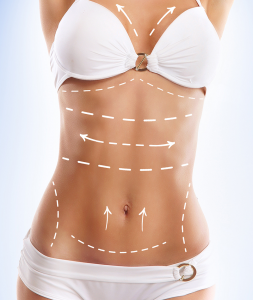
4D liposuction works by targeting fat in a layered, strategic way—removing small amounts from specific zones to highlight the borders and contours of underlying muscles. Instead of treating a large area uniformly, the surgeon plans the sculpting like a map: areas where you want more shadow and definition are reduced more, while transitional areas are refined gently to keep the result smooth and natural. This approach helps create the visual effect of toned abs, defined obliques, a sharper chest line, or more athletic arms—without relying on extreme fat removal everywhere.
In many cases, 4D techniques may also include selective fat preservation or even fat transfer to improve proportions. For example, fat might be removed from the waist to enhance a V-taper, or placed to subtly enhance contours where needed. The procedure is typically combined with specialized technology (such as ultrasound-assisted liposuction) to help separate fat more efficiently, which can support smoother sculpting—especially in fibrous areas like the back or male chest.
Who Is a Good Candidate for Hi-Def Liposuction?
A good candidate is usually someone close to their goal weight who has stubborn fat hiding muscle definition, good skin elasticity, and realistic expectations about what sculpting can and cannot do.
- Near ideal or stable weight (not a weight-loss procedure)
- Good skin elasticity to “shrink-wrap” to the new contours
- Visible muscle base (or strong muscle development) beneath fat
- Stubborn fat in areas like abs, flanks, chest, back, arms
- Non-smoker (or willing to stop before/after surgery as advised)
- Generally healthy and able to undergo anesthesia safely
- Realistic expectations about definition, symmetry, and healing time
Hi-Def Liposuction vs Traditional Liposuction
Traditional liposuction is primarily designed to reduce volume: it removes fat to make an area smaller and smoother. The surgeon typically treats the region in a more uniform manner to improve overall contour, which works well for patients whose main goal is slimming and who prefer a softer, natural transition. It can produce excellent results, especially when the concern is localized fat pockets and the skin is elastic enough to retract.
Hi-Def Liposuction is contour-first and detail-driven. Instead of simply reducing bulk, it focuses on sculpting around muscular anatomy to create highlights and shadows that suggest athletic definition. That means the planning is more intricate and the margin for error is smaller—because over-removal can look unnatural and under-removal can leave definition hidden. For the right patient, Hi-Def Liposuction can look more “etched” and gym-like than traditional liposuction, especially in the abdomen, flanks, chest, and back.
Areas Treated With 4D Body Contouring
4D Body Contouring can be applied to multiple zones where strategic fat reduction enhances the appearance of muscle shape and body lines. The exact plan depends on your anatomy, fat distribution, and the level of definition you want, since not everyone benefits from treating the same regions in the same way.
Common areas include:
- Abdomen (upper/lower abs, linea alba)
- Obliques and flanks (waist definition, V-taper)
- Lower back (definition and “shelf” reduction)
- Chest (especially male chest contour)
- Arms (triceps/biceps definition)
- Shoulders and upper back
- Thighs (inner/outer, athletic contour)
- Calves (select cases)
Is Hi-Def Liposuction Permanent?
Hi-Def Liposuction results can be long-lasting because fat cells removed during liposuction do not come back in the same quantity. However, “permanent” depends on how you maintain your weight and lifestyle afterward. If you gain weight, remaining fat cells can enlarge and soften the definition you achieved, particularly around the waist and abdomen where weight changes are commonly noticed.
Long-term definition also depends on skin quality and muscle tone. Hi-Def results look best when you keep a stable weight and maintain an active lifestyle, since muscle development supports the sculpted effect. Think of the procedure as a contour foundation—your habits help protect the athletic look over time.
VASER Hi-Def Liposuction Explained
VASER Hi-Def Liposuction is a form of ultrasound-assisted liposuction that uses ultrasound energy to help break up fat before it is removed. This can make fat extraction more efficient and can support more precise sculpting—especially in fibrous areas like the upper back, male chest, or flanks. In Hi-Def applications, the technology is used to refine transitions and create cleaner definition lines while aiming to preserve smoothness and natural contours.
It’s important to understand that VASER is a tool, not the outcome by itself. The final look depends heavily on the surgeon’s artistic planning, anatomy knowledge, and experience with high-definition techniques. When used appropriately, VASER can help achieve more detailed contouring with a focus on definition, but patient selection—skin elasticity, fat layer thickness, and overall fitness—remains a major factor in whether “4D” results look sharp and natural.

How Long Does Hi-Def Liposuction Take?
Hi-Def Liposuction procedure time varies depending on how many areas are treated, how detailed the sculpting plan is, and whether it’s combined with fat transfer or other contouring steps. Treating a single region with light definition work generally takes less time than a full torso sculpting plan that includes abdomen, flanks, back, and chest, because high-definition contouring requires meticulous technique and symmetry checks.
It’s also useful to separate “time in surgery” from total time at the facility. Pre-op preparation, anesthesia, and post-op monitoring add hours beyond the procedure itself. Your surgeon will provide a tailored estimate after assessing your goals and building a plan that balances definition with safety, swelling control, and smooth transitions.
Is Hi-Def Liposuction Safe?
Hi-Def Liposuction can be safe when performed by an experienced, qualified surgeon in an appropriate medical facility with proper anesthesia support and strict safety protocols. As with any liposuction procedure, safety depends on factors such as the amount of fat removed, the number of areas treated, your overall health, and adherence to pre- and post-operative instructions—especially around smoking, medications, hydration, and early mobility.
Because Hi-Def Liposuction is more detail-oriented than traditional liposuction, choosing the right surgeon is especially important. Overly aggressive fat removal can increase risks like contour irregularities, prolonged swelling, or uneven definition. A responsible approach prioritizes conservative, anatomy-respecting sculpting, realistic expectations, and a recovery plan that supports smooth healing and natural-looking results.

Hi-Def Liposuction Scars: What to Expect
Hi-Def Liposuction usually leaves very small scars because the procedure is performed through tiny incisions that allow a cannula (the liposuction tube) to access the fat layer. In most cases, these entry points are only a few millimeters long and are placed in natural creases or less noticeable locations—such as along the bikini line, within the navel, near the lower back crease, or where the body naturally folds—so they blend in as they heal. Because 4D body contouring often treats multiple zones (abs, flanks, back, chest, arms), you may have several small incision sites rather than one larger scar, but each tends to be discreet.
In the early weeks, these tiny marks can look pink or slightly darker than your surrounding skin, and they may feel firm or sensitive as healing progresses. Over time, they typically fade and flatten, especially with proper aftercare such as keeping the sites clean, avoiding sun exposure on healing scars, and following your surgeon’s scar-care recommendations once the skin is closed. Genetics and skin type matter: some patients naturally scar more noticeably, so it’s important to discuss your history of scarring and any tendency toward raised scars or pigmentation changes during consultation.
Recovery Timeline After 4D Body Contouring
Recovery after 4D Body Contouring happens in phases, and it’s normal for the body to look “puffy” before it looks sculpted. The first several days are typically focused on swelling control, comfort, and safe movement. Compression garments are commonly used to support the tissues, reduce swelling, and help the skin adapt to the newly contoured shape. Light walking is usually encouraged early (as directed) to support circulation, while strenuous activity and heavy lifting are restricted to protect healing areas and reduce swelling spikes.
Over the following weeks, the outline becomes gradually clearer as swelling decreases and the tissues soften. Many patients notice that definition appears uneven at first—especially when multiple areas are treated—because swelling doesn’t resolve at the same rate everywhere. Final results are not immediate; the “high-definition” look usually becomes more visible as the body settles, skin retraction improves, and post-op swelling continues to fade. Consistency with compression, hydration, gentle mobility, and follow-up visits plays a major role in how smoothly and evenly your contour develops.
Pain, Swelling, and Downtime After Hi-Def Liposuction
Pain after Hi-Def Liposuction is commonly described as soreness, tightness, and a bruised feeling—similar to an intense workout—rather than sharp pain. The most noticeable discomfort often occurs in the first few days, when swelling and tenderness peak, and when moving from sitting to standing or changing position. Because Hi-Def work is more detailed and may involve multiple zones, you may feel more overall “body soreness” than with a single-area traditional liposuction procedure, but it is typically manageable with prescribed medication, compression, and rest.
Swelling is part of the process and can temporarily hide definition, which is why patience is important. Some patients feel they look smoother or “less defined” early on due to puffiness, then see sharper lines emerge as swelling resolves. Downtime varies based on how many areas were treated and your job demands: desk-based routines may be possible earlier than physically active work that involves lifting, twisting, or long hours on your feet. Following activity restrictions is crucial—doing too much too soon can prolong swelling, increase discomfort, and affect how evenly the contours settle.
Risks and Side Effects of Hi-Def Liposuction
Hi-Def Liposuction can be safe when performed correctly, but because it is detail-focused, it carries specific risks related to precision, healing, and contour quality.
- Bruising and swelling (often more noticeable early on)
- Temporary numbness or tingling as nerves recover
- Fluid buildup (seroma) or prolonged firmness in treated areas
- Contour irregularities, lumps, or uneven definition
- Skin laxity or insufficient skin retraction in low-elasticity skin
- Infection (uncommon but possible)
- Bleeding or hematoma (rare)
- Changes in skin sensation that may last longer in some patients
- Scarring at incision sites (usually small, but varies by skin type)
- Rare anesthesia-related complications
How Long Do Hi-Def Liposuction Results Last?
Hi-Def Liposuction results can last for many years because the fat cells removed during the procedure do not return in the same quantity. However, long-term definition depends on maintaining a stable weight and lifestyle. If you gain weight, the remaining fat cells can expand and soften the sculpted lines—especially around the waist and abdomen where weight changes commonly show up first. In other words, the “etched” look is durable, but it’s also sensitive to significant weight fluctuation.
Another factor is muscle tone and skin quality. Since 4D contouring is designed to highlight muscular anatomy, staying active helps preserve that athletic appearance. Skin elasticity also influences how sharply results present over time; good elasticity supports a tighter, more defined look, while poorer elasticity may lead to a softer contour. When patients keep weight stable and maintain fitness, the results typically remain strong and natural-looking long-term.

Hi-Def Liposuction After Weight Loss
Hi-Def Liposuction after weight loss can be a great option for people who are already close to their goal weight but still have stubborn fat that hides definition. After weight loss, the body may be leaner overall, yet pockets of fat can remain in the lower abdomen, flanks, back, or chest that don’t respond to training. In these cases, Hi-Def Liposuction can refine transitions and enhance the “fit” look by strategically sculpting around muscle borders.
However, post-weight-loss patients must be evaluated carefully for skin laxity. If the skin is loose or has reduced elasticity, aggressively etching definition may not look as sharp, and irregularities can be more noticeable. Some patients may benefit from a staged plan or combining liposuction with skin-tightening or excisional procedures if excess skin is significant. The best outcomes come from matching technique to skin quality—because great 4D results rely on the skin conforming smoothly to the new contour.
Can Hi-Def Liposuction Be Combined With Other Procedures?
Yes, Hi-Def Liposuction is often combined with other procedures to enhance overall proportions and create a more balanced silhouette. Common combinations include liposuction of additional areas, fat transfer to improve shape (such as gluteal or hip enhancement in appropriate cases), or procedures that address skin laxity if needed. Combining procedures can be appealing because it may reduce total downtime compared to staging multiple surgeries months apart, and it can help harmonize the torso’s front, sides, and back in a single plan.
That said, combination surgery must be approached conservatively and safely. Treating too many areas or removing too much fat in one session can increase swelling, prolong recovery, and raise risk. A responsible surgeon will discuss operative time, safe limits for fat removal, your medical risk profile, and whether a single-session plan is appropriate or if staging procedures would produce a safer, cleaner result. The goal is a natural, athletic contour—not maximum aggressiveness.
Hi-Def Liposuction (4D Body Contouring) Prices 2026
Hi-Def Liposuction (4D Body Contouring) prices in 2026 can vary widely depending on the surgeon’s experience, the number of areas treated, the level of definition you want, and whether specialized technology (such as ultrasound-assisted techniques) is used. Costs are also influenced by anesthesia, facility fees, compression garments, post-op care, and whether your plan includes additional sculpting steps like fat transfer or skin-tightening support. Because “4D” is a precision procedure, pricing often reflects the complexity of planning and the time required to achieve symmetrical, natural-looking definition.
For patients comparing clinics, the most meaningful way to evaluate cost is to confirm what is included in the package—how many areas are treated, how many follow-up visits are provided, what aftercare support looks like, and whether revisions or touch-ups are part of the plan. A consultation is essential to determine what level of definition is realistic for your anatomy and skin elasticity, since these factors can change the complexity of the case. For Hi-Def Liposuction (4D Body Contouring) pricing details in 2026, contact us today.
Frequently Asked Questions (FAQ)
Is Hi-Def Liposuction worth it?
It’s worth it for people near goal weight who want sharper definition that workouts can’t reveal due to a thin fat layer. It’s less worth it if you need major weight loss or have significant loose skin, since definition won’t look as crisp.
What is the difference between 4D and VASER liposuction?
4D describes the sculpting style and result—enhancing muscle lines and “dynamic” definition. VASER is a technology (ultrasound-assisted) that can be used to help remove fat more precisely; it doesn’t guarantee a 4D look on its own.
How long does it take to see final results?
You’ll see changes early, but swelling can hide definition at first. The sharpest “final” look appears gradually as swelling fades and tissues settle over the following months.
Is Hi-Def Liposuction painful?
Most people feel soreness, tightness, and a bruised sensation rather than constant sharp pain. The first few days are usually the most uncomfortable, then it improves steadily with proper aftercare.
Can everyone get 4D body contouring?
No—ideal candidates have good skin elasticity and are close to their target weight. Significant loose skin or higher body fat can limit definition and increase the chance of a softer-looking result.
How long is the recovery after Hi-Def Liposuction?
Recovery depends on how many areas are treated. Light activity usually returns sooner, while heavy training and lifting typically take longer to resume safely.
Are the results of Hi-Def Liposuction permanent?
Fat cells removed are gone, so results can be long-lasting. However, maintaining your weight is key because remaining fat cells can expand and soften definition.
Can fat come back after 4D liposuction?
Removed fat doesn’t return the same way, but weight gain can enlarge remaining fat cells. Fat can also build in untreated areas and change your overall proportions.
Is Hi-Def Liposuction safe in 2026?
It can be safe in 2026 when performed by an experienced surgeon in a properly equipped facility. Safety depends on patient selection, total areas treated, and following pre/post-op instructions.
How defined will my abs look after surgery?
Definition depends on your muscle base, skin quality, and how thin the fat layer can safely be made. Hi-Def reveals and refines existing anatomy rather than “creating” muscles.
Does Hi-Def Liposuction leave scars?
Yes, but typically minimal—small incision points that usually fade over time. Placement is often in creases or less visible spots to keep them discreet.
When can I return to work after the procedure?
Desk jobs often allow an earlier return than physically demanding work. Your timeline should match your swelling, comfort, and the extent of areas treated.
Can Hi-Def Liposuction be combined with tummy tuck?
Yes, it’s commonly combined when you need both definition and loose-skin removal. The combined plan should be conservative and tailored for safety and smooth healing.
What happens if I gain weight after Hi-Def Liposuction?
Weight gain can reduce the etched look by enlarging remaining fat cells. Significant gain can also shift fat to untreated areas and change your silhouette.
How do I choose the best surgeon for 4D body contouring?
Look for verified credentials, strong 4D-specific before/after results, and clear explanations of realistic definition and risks. A good surgeon prioritizes safety, symmetry, and a detailed recovery plan.