

Tummy Tuck Turkey is a popular search for people looking to achieve a flatter, firmer abdomen by addressing loose skin, stubborn fat, and—when needed—separated abdominal muscles after pregnancy, significant weight loss, or natural aging. Many patients consider Turkey because it offers access to experienced plastic surgeons, modern clinics, and treatment plans that can be tailored to different body types and goals, from subtle contour refinement to more comprehensive abdominal reshaping.
A tummy tuck is not a one-size-fits-all procedure. Options may include a mini tummy tuck, full abdominoplasty, or a combined approach with liposuction to enhance waist definition and overall balance. During a consultation, the surgeon evaluates skin quality, muscle laxity, existing scars, and lifestyle factors to design the safest and most effective technique. With a well-planned recovery—typically involving compression garments, activity restrictions, and follow-up care—patients can support smoother healing and long-lasting results.
What Is a Tummy Tuck in Turkey?
A tummy tuck in Turkey—also called abdominoplasty—is a surgical procedure designed to create a flatter, firmer abdominal profile by removing excess skin and reshaping the underlying tissue. People researching Tummy Tuck Turkey options are often dealing with concerns that don’t improve even with consistent diet and exercise, such as loose lower-belly skin, a “pouch” that remains after weight loss, or an abdomen that no longer feels tight after pregnancy. Because skin and connective tissue can stretch beyond their ability to retract, the abdomen may look and feel less supported, especially in the lower area where laxity is most noticeable.
What sets a tummy tuck apart from many non-surgical approaches is that it focuses on structure as well as surface. Depending on the individual, the procedure may address skin redundancy and also improve the firmness of the abdominal wall when muscle laxity or separation is present. In Turkey, tummy tuck plans are typically customized—some patients need a smaller correction limited to the lower abdomen, while others benefit from a more comprehensive approach that improves the full abdomen and waistline balance. The goal is not only “flatness,” but a smoother contour that looks natural from multiple angles and fits the person’s proportions.

Why Choose Turkey for Tummy Tuck Surgery?
Many patients consider Tummy Tuck Turkey because Turkey has become a well-known destination for aesthetic surgery, with clinics that often treat a high volume of international patients. High procedural volume can mean surgeons and teams are very familiar with common body concerns like post-pregnancy laxity or post-weight-loss skin excess, and they may have well-established surgical workflows—from consultation planning to hospital coordination and structured follow-up. For patients traveling from abroad, having a clear pathway can make the experience feel more organized, especially when you’re managing flights, accommodation, and recovery time in a new country.
Another reason is the overall patient experience often offered to medical travelers, which may include coordinated logistics such as transfers, scheduled check-ups, and aftercare guidance for the first stage of healing. That said, outcomes depend far more on choosing the right surgeon and clinic than on the destination itself. The most important “why” should be safety and suitability: verifying credentials, understanding what technique is recommended for your body, and getting transparent explanations about scars, recovery, and realistic results. A good clinic will prioritize medical screening, clear communication, and a recovery plan that supports you even after you return home.
Who Is a Good Candidate for a Tummy Tuck?
A good candidate is usually someone close to their goal weight who struggles with loose abdominal skin and/or abdominal wall laxity that doesn’t respond to exercise, and who understands that surgery involves scars and a structured recovery. The best results typically come when weight is stable and expectations are realistic—because a tummy tuck improves contour and firmness, but it isn’t a substitute for weight loss or a guarantee of a specific body shape.
- Noticeable loose or hanging abdominal skin (often after pregnancy or weight loss)
- Weight has been stable for several months
- Good general health and medically fit for anesthesia
- Non-smoker (or able to stop nicotine before/after surgery as advised)
- Realistic expectations about scarring and final contour
- Possible muscle laxity or separation affecting abdominal shape
- Ideally not planning pregnancy soon (to help preserve results)
What Causes Loose Abdominal Skin?
Loose abdominal skin most commonly happens when the skin stretches beyond its ability to rebound. Pregnancy is a major factor because the abdomen expands significantly and the skin must accommodate that growth over a relatively short time. After delivery, some skin retracts, but when elasticity has been reduced—due to genetics, age, or multiple pregnancies—extra skin can remain, particularly in the lower abdomen. This laxity may be paired with a softer abdominal wall, which can make the midsection look less “held in,” even in people who are otherwise quite fit.
Significant weight change is another frequent cause. When the body carries higher volume for a long period, the skin can adapt by stretching; after weight loss, especially large or rapid loss, the remaining skin may look deflated or folded because collagen and elastin fibers have been weakened. Additional contributors include repeated weight cycling, smoking (which impacts collagen), sun exposure over time, and natural aging. For many patients exploring Tummy Tuck Turkey, the frustration is that the body is healthier and slimmer—but the abdominal skin simply doesn’t match the new shape without surgical removal and tightening.
Types of Tummy Tuck Procedures in Turkey
Tummy tuck surgery in Turkey is not a single “one-size” operation—there are different techniques depending on where the excess skin sits and how much reshaping is needed. During consultation, the surgeon typically evaluates skin laxity (upper vs lower abdomen), the presence of stretch marks, the degree of abdominal wall looseness, and how the waist and flanks blend into the abdomen. This matters because the right technique is about more than removing skin; it’s also about creating smooth transitions so the abdomen, waistline, and hip area look balanced and natural.
Choosing the correct type can also affect scar placement, recovery demands, and how dramatic the contour change can be. Some people only need a targeted lower-abdomen correction, while others—especially after major weight loss—need broader tightening that extends toward the sides. In many cases, careful liposuction may be added for contour refinement, but it’s done in a way that supports healing and avoids compromising blood supply to the skin. The best plan is the one that matches your anatomy, lifestyle, and expectations, rather than automatically choosing the most extensive option.
Full Tummy Tuck
A full tummy tuck is the most comprehensive standard approach and is typically recommended when loose skin affects both the lower and upper abdomen, or when the abdominal wall needs more significant tightening. This technique generally addresses the central abdomen from below the belly button up toward the upper abdomen, making it a common choice for people after pregnancy—especially when muscle laxity contributes to a rounded or “pushed out” look. Patients often seek a full tummy tuck when the goal is a flatter overall profile, a smoother midsection in fitted clothing, and a waistline that looks more defined from multiple angles.
Because it’s a more complete reshaping, a full tummy tuck may involve repositioning the belly button to keep the final appearance proportional after the skin is redraped. The surgeon removes the excess skin in a controlled way, then tightens and supports the underlying structures when appropriate to improve firmness and contour. Many patients exploring Tummy Tuck Turkey appreciate that a full tummy tuck can produce a more cohesive change than limited procedures when laxity is widespread, but it also requires a clear understanding of scar placement and recovery instructions to protect the repair and promote smooth healing.
Mini Tummy Tuck
A mini tummy tuck focuses mainly on the lower abdomen, usually below the belly button, and is typically suited to people with mild to moderate skin looseness concentrated in that area. It can be appealing for patients who feel most bothered by a lower-belly “pooch,” a small amount of hanging skin, or laxity that creates a crease above the pubic area. Because the correction is localized, the incision is often shorter than a full tummy tuck, and the overall tissue adjustment is less extensive—making it a more targeted option when upper-abdominal skin is relatively tight.
However, a mini tummy tuck has limitations that are important for realistic expectations. It generally won’t correct significant upper-abdominal looseness, and it may not fully address broader muscle laxity if separation extends higher. For the right candidate, it can produce a neat, natural improvement with a focused recovery plan, but selecting it simply to “avoid a bigger procedure” can lead to disappointment if the laxity is more widespread. A thorough evaluation is crucial so the technique matches your anatomy—something reputable Tummy Tuck Turkey providers should explain clearly, including what a mini procedure can and cannot achieve.
Extended Tummy Tuck
An extended tummy tuck is designed for patients who have excess skin not only across the front of the abdomen but also continuing toward the flanks and hip area. This is especially common after major weight loss, where laxity can wrap around the waistline and create folds on the sides that a standard tummy tuck might not fully address. In these cases, the goal isn’t just to flatten the abdomen from the front—it’s to improve the entire lower-torso silhouette so the waistline and side profile look smoother and more consistent.
Because it treats a wider area, an extended tummy tuck typically requires a longer incision and a recovery plan that prioritizes mobility guidance, swelling control, and careful wound care across the broader surgical zone. Many patients find the trade-off worthwhile when side laxity is a major concern, since addressing only the front can leave a “leftover” looseness on the hips. For those considering Tummy Tuck Turkey after significant weight loss, an extended approach can create a more complete transformation, but it’s particularly important to follow activity restrictions and compression guidance to support safe, even healing.
Tummy Tuck vs Liposuction: What’s the Difference?
Liposuction and tummy tuck surgery both improve abdominal appearance, but they solve different problems. Liposuction removes fat deposits through small incisions and can significantly refine contour when the skin is elastic enough to tighten afterward. If your main issue is fullness—especially localized fat around the lower belly or waist—and your skin quality is good, liposuction can create a slimmer profile with minimal scarring. It’s often ideal for patients who don’t have hanging skin and whose abdomen looks “tight” when standing.
A tummy tuck, on the other hand, is specifically designed to remove excess skin and improve abdominal firmness, especially when laxity or muscle separation is part of the problem. If there is loose, crepey, or hanging skin, liposuction alone may not produce a smooth result and can even make the looseness more apparent because the volume is reduced but the skin remains overstretched. Many Tummy Tuck Turkey treatment plans combine liposuction with abdominoplasty to refine the waistline while still correcting the skin redundancy that liposuction cannot fix, aiming for a natural transition between the abdomen and flanks.
How Is Tummy Tuck Surgery Performed in Turkey?
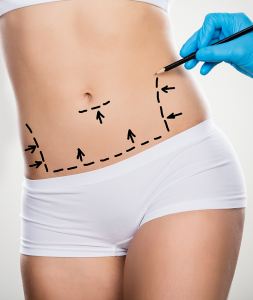
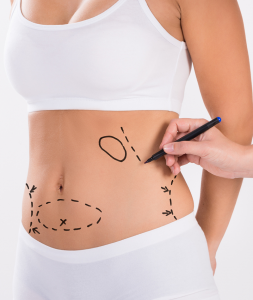
Tummy tuck surgery in Turkey typically begins with a detailed pre-operative assessment and surgical markings that guide where skin will be removed and how the final contour will be shaped. The procedure is usually done under general anesthesia, and the incision is commonly placed low on the abdomen so it can be easier to conceal under underwear or swimwear. The exact incision length and shape depend on the chosen technique (mini, full, or extended) and on how much laxity needs to be corrected. A well-planned incision isn’t only about concealment—it also supports balanced tightening and helps the skin redrape smoothly.
During surgery, the surgeon removes excess skin and may tighten the abdominal wall when muscle laxity or separation is present, helping the abdomen look firmer and feel more supported. The remaining skin is then carefully repositioned to avoid bunching and to create a smooth, natural-looking surface. Closure is typically done in layers to support healing, and compression garments are often recommended afterward to help manage swelling and provide support as the tissues settle. For patients traveling for Tummy Tuck Turkey, clear post-op instructions and scheduled follow-ups are especially important, since early recovery guidance strongly influences comfort, scar quality, and overall outcome.
How Long Does a Tummy Tuck Take?
The duration of a tummy tuck varies based on the type of procedure and the complexity of the work required. A mini tummy tuck, which focuses mainly on the lower abdomen, is generally quicker than a full or extended tummy tuck. When muscle tightening is included or when the procedure is combined with liposuction for contour refinement, surgical time can increase because each step must be performed carefully to maintain symmetry, protect blood supply, and achieve smooth transitions. This is why two people can both be getting a “tummy tuck” yet have very different procedure times.
It’s also helpful to think in terms of total time at the facility, not only the time in the operating room. Pre-operative preparation, anesthesia, and post-operative monitoring add additional time before you’re cleared to rest. In many Tummy Tuck Turkey journeys, planning the day around both the surgery and immediate recovery logistics is key—especially for international patients who want a safe, calm first 24–48 hours. Your surgeon can provide a more accurate estimate after evaluating your anatomy, choosing the technique, and confirming whether any combination procedures are part of your plan.
Is Tummy Tuck Surgery Safe in Turkey?
Tummy tuck surgery in Turkey can be safe when it is performed by a properly qualified plastic surgeon in an accredited hospital or surgical center that follows modern safety standards. Safety depends less on the country and more on the fundamentals: thorough pre-operative screening, transparent surgical planning, sterile operating conditions, safe anesthesia practices, and a team that is experienced in abdominoplasty and post-operative monitoring. When these elements are strong, outcomes can be comparable to other major medical destinations.
For international patients, safety also means choosing a clinic that does not rush the process. A responsible Tummy Tuck Turkey plan includes medical evaluation (including your health history, medications, smoking status, and risk factors for blood clots), clear instructions for before and after surgery, and scheduled follow-up visits while you are still in Turkey. It should also include guidance for travel timing, mobility, and signs to watch for once you return home—because a good result is not only about the operation day, but about controlled healing afterward.
Tummy Tuck Scars: What to Expect
A tummy tuck creates a scar because skin is removed and the incision must be closed. Most commonly, the main scar sits low on the abdomen, usually placed so it can be hidden under underwear or swimwear, though the exact length depends on whether you had a mini, full, or extended tummy tuck. With a full tummy tuck, there is also typically a scar around the belly button because it is repositioned to look natural after the skin is redraped.
Scars do not disappear completely, but they usually improve significantly with time. In the early weeks, scars often look red or raised and can feel firm; over months, they typically fade and soften as collagen remodeling occurs. Genetics, skin type, incision tension, and aftercare all affect how a scar matures, so the best-looking scars usually come from careful surgical closure plus disciplined recovery habits—especially avoiding early stretching, following compression guidance, and using surgeon-recommended scar care once the incisions are healed.
Recovery Process After Tummy Tuck in Turkey
Recovery after a tummy tuck in Turkey usually begins with a closely monitored first phase, where swelling control, safe movement, and incision protection are the priorities. Many patients walk slightly bent forward at first to reduce tension on the incision, and compression garments are commonly used to help manage swelling and support tissues as they settle. Clinics that routinely treat international patients often structure follow-ups during your stay, checking wound healing and ensuring you’re progressing safely before travel.
As recovery continues, your comfort and mobility gradually improve, but activity restrictions remain important. Heavy lifting, intense exercise, and sudden twisting movements are typically limited for several weeks because they can strain the repair and affect scar quality. A well-organized Tummy Tuck Turkey plan should include clear instructions for sleeping position, showering, garment use, and when you can safely resume work, driving, and exercise—because consistent aftercare is one of the biggest factors in smooth healing and long-lasting results.
Pain, Swelling, and Healing Timeline
Pain after a tummy tuck is often described as tightness, soreness, and pressure—especially when standing upright, coughing, or changing position—rather than sharp pain. The first several days are usually the most uncomfortable, and many patients feel a “pulling” sensation as the skin and abdominal area adjust to the new contour. Pain management is typically handled with prescribed medication and supportive strategies such as compression, careful movement, and proper rest.
Swelling tends to be most noticeable early on and then gradually improves over the following weeks, though mild swelling can linger longer, especially later in the day or with increased activity. Healing is not linear; you may feel better for a few days and then experience a temporary increase in swelling or tightness after moving more. The scar and internal tissues continue to mature for months, so while you may look improved relatively early, the final “settled” result usually becomes clearer as swelling resolves and the body completes deeper healing.
Risks and Complications of Tummy Tuck Surgery
Tummy tuck surgery is generally safe in the right hands, but it is still major surgery with real risks—especially because it involves tissue tightening, skin removal, and a structured recovery period.
- Bleeding or hematoma
- Infection
- Seroma (fluid collection)
- Delayed wound healing or wound separation
- Unfavorable scarring (widening, thickening, discoloration)
- Skin or tissue healing problems (rare but possible)
- Asymmetry or contour irregularities
- Numbness or changes in sensation
- Blood clot risk (DVT/PE), especially without proper mobility precautions
- Rare anesthesia-related complications
How Long Do Tummy Tuck Results Last?
Tummy tuck results can be long-lasting because the removed excess skin does not come back, and tightening of the abdominal area can provide lasting improvement in contour. Many patients enjoy a flatter abdomen for years, especially when they maintain stable weight and healthy habits. However, the body continues to age, and the skin naturally loses elasticity over time, so some gradual relaxation can occur—even though the overall improvement usually remains significant compared to the pre-surgery state.
The biggest factor affecting longevity is weight stability. Significant weight gain can stretch the tissues again, and major weight loss after surgery can create new looseness. Lifestyle factors such as smoking and poor nutrition can also impact skin quality. For most people, maintaining a steady weight, staying active after clearance, and supporting skin health are the best ways to preserve a natural-looking Tummy Tuck Turkey outcome long-term.
Tummy Tuck After Pregnancy
After pregnancy, many people experience loose skin, stretch marks, and abdominal wall laxity that doesn’t fully improve with exercise. A tummy tuck can be especially effective when the lower abdomen has persistent skin redundancy or when the core feels less supported due to muscle separation. For patients exploring Tummy Tuck Turkey, this can be appealing because the surgery can address both the surface issue (excess skin) and the structural issue (abdominal wall laxity) in a single plan when appropriate.
Timing matters after pregnancy. Many surgeons recommend waiting until you are finished having children, because a future pregnancy can stretch the abdomen again and reduce the longevity of results. It’s also important to allow the body time to recover naturally postpartum and to reach a stable weight. A careful consultation should cover scar placement, realistic tightening, and how the procedure may affect the look of existing stretch marks—since many stretch marks are on skin that is removed, but not all can be eliminated.
Tummy Tuck After Massive Weight Loss
After massive weight loss, the abdomen may have significant loose skin that folds or hangs, sometimes extending into the flanks. This is one of the most common reasons people pursue abdominoplasty, because the skin often cannot retract on its own after long-term stretching. For many patients, the issue is not “fat” but excess skin that affects comfort, clothing fit, and confidence—even when the person has reached a healthier body weight.
In these cases, a more comprehensive technique—often a full or extended tummy tuck—may be recommended to achieve a smooth, balanced contour across the front and sides. Post-weight-loss patients may also have different healing considerations, such as scar length and the need for careful tension management along the incision. A well-structured Tummy Tuck Turkey plan typically emphasizes stable weight before surgery and strict adherence to recovery instructions to support safe healing and a clean, even result.
Tummy Tuck for Women vs Men
The tummy tuck procedure can be performed on both women and men, but the contour goals often differ. Women frequently request a smoother waistline and a flatter lower abdomen, especially after pregnancy-related changes. Men often aim for a firmer, more athletic abdominal profile while keeping a natural, masculine torso shape—avoiding an overly “cinched” look. These preferences can influence how the surgeon plans waist definition and how the abdomen transitions into the flanks.
Men may also have different fat distribution patterns, sometimes carrying more fat centrally, which can affect whether liposuction is added to improve definition. Skin thickness and muscle characteristics can also differ, influencing how tightening is approached and how scars are planned for concealment. Regardless of gender, the best results come from tailoring technique, scar placement, and shaping priorities to the individual anatomy and aesthetic goals—so the outcome looks natural rather than generic.
Tummy Tuck Turkey Prices 2026
Tummy Tuck Turkey prices in 2026 can vary widely depending on the surgeon’s experience, the clinic’s standards, whether the procedure is mini/full/extended, and whether additional contouring like liposuction is included. Anesthesia fees, hospital or surgical center costs, compression garments, pre-op testing, medications, and the number of follow-up visits can also affect the total. Because many clinics package services differently, comparing offers is most meaningful when you confirm exactly what is included—rather than focusing only on a headline number.
For international patients, pricing can also reflect logistics support such as transfers, accommodation coordination, and structured post-op care during the stay. The safest way to understand your true cost is a personalized consultation where your anatomy and goals determine the surgical plan and the complexity of correction. For Tummy Tuck Turkey pricing details in 2026, contact us today.
Instagram : dr.salihonurbasat
Frequently Asked Questions (FAQ)
Is it safe to get a tummy tuck in Turkey?
It can be safe to get a tummy tuck in Turkey if you choose a properly qualified plastic surgeon and an accredited, well-equipped facility that follows strict anesthesia and infection-control standards. Safety depends on thorough pre-op screening, clear surgical planning, and reliable post-op follow-up—so prioritize credentials, transparent communication, and a clinic that doesn’t rush your evaluation or recovery.
Why is tummy tuck cheaper in Turkey?
Tummy tuck surgery may appear cheaper in Turkey largely due to differences in operating costs such as staffing, facility overhead, and local market pricing, rather than necessarily being “lower quality.” That said, pricing varies widely by clinic, surgeon experience, and what’s included (hospital stay, anesthesia, garments, medications, follow-ups), so the most meaningful comparison is the full care package and safety standards—not the headline price alone.
How long do I need to stay in Turkey after surgery?
The recommended stay depends on the extent of your tummy tuck and your early healing progress, because clinics typically want to monitor you through the most important initial recovery checkpoints. Many patients plan enough time for post-op visits, incision checks, and guidance on safe mobility before flying, since leaving too early can make complications harder to manage and can be uncomfortable during travel.
Are Turkish surgeons experienced in tummy tuck procedures?
Many Turkish surgeons perform tummy tucks frequently because Turkey is a high-volume destination for aesthetic surgery, which can translate into strong procedural familiarity. However, experience varies by individual surgeon, so you should evaluate board certification, specific abdominoplasty case volume, consistent before-and-after results for your body type, and how clearly the surgeon explains risks, scarring, and realistic outcomes.
How painful is a tummy tuck?
A tummy tuck is typically described as tightness, soreness, and pressure—especially when standing up straight or changing position—rather than sharp pain all the time. The first few days are often the most uncomfortable, and pain usually improves gradually with prescribed medication, compression, careful movement, and proper rest, though some tightness can persist as tissues heal.
Will I have a visible scar after tummy tuck surgery?
Yes, you will have a scar because excess skin is removed through an incision, but surgeons usually place it low on the abdomen to be hidden under underwear or swimwear whenever possible. The scar’s final appearance depends on incision technique, your skin type and genetics, and aftercare—most scars fade and soften over time, but they don’t disappear completely.
When can I fly after a tummy tuck?
Flying after a tummy tuck depends on your risk factors, the complexity of the surgery, and how you’re healing, because long travel can increase discomfort and blood-clot risk if done too soon. Your surgeon will advise based on your progress and may recommend mobility strategies, hydration, and compression for travel, so it’s best to follow individualized clearance rather than a one-size timeline.
How soon can I return to work after surgery?
Return-to-work timing depends mostly on whether your job is sedentary or physically demanding, since lifting, reaching, and prolonged standing can stress healing tissues and worsen swelling. Many people return sooner to desk work than to jobs requiring physical effort, and your surgeon may adjust recommendations based on how your incision and swelling are progressing.
Can tummy tuck results be permanent?
Tummy tuck results can be long-lasting and often feel “permanent” in the sense that removed excess skin does not come back, but your body will continue to age and skin can naturally relax over time. The best way to preserve results is to maintain a stable weight and healthy habits, because significant fluctuations can change the contour.
What happens if I gain weight after a tummy tuck?
If you gain weight after a tummy tuck, fat can accumulate in the abdomen and waist again, which may soften definition and stretch tissues, reducing how flat the abdomen looks. While the removed skin doesn’t return, meaningful weight gain can alter your results and sometimes create new looseness, so stability is key for long-term satisfaction.
Is tummy tuck covered by insurance?
Tummy tuck is usually considered cosmetic and is not covered by insurance in most cases, especially when done for appearance. Coverage may be possible in limited situations if there is a documented medical problem related to excess skin, but policies vary widely, so you would need to check your specific plan requirements and documentation rules.
Can I combine tummy tuck with liposuction in Turkey?
Yes, tummy tuck is commonly combined with liposuction to improve waist definition and create smoother transitions between the abdomen and flanks. The key is balancing contour goals with safety—your surgeon should explain where liposuction helps, where it may add swelling, and how the combined plan affects recovery and scar care.
Is Turkey a good choice for tummy tuck in 2026?
Turkey can be a good choice for tummy tuck in 2026 if you select a reputable surgeon and clinic with strong safety standards, clear communication, and structured aftercare for international patients. The destination itself isn’t the guarantee—the quality of your provider, your medical screening, and a realistic recovery plan are what make the experience safer and more predictable.
How do I choose the best clinic for tummy tuck in Turkey?
Choose the best clinic by verifying surgeon credentials, reviewing consistent before-and-after photos for patients similar to you, and ensuring the facility is properly accredited with safe anesthesia practices. A strong clinic will provide a detailed surgical plan, explain scarring and risks clearly, outline what’s included in the package, and offer post-op follow-up support—especially important once you travel home.
Are tummy tuck results natural-looking?
Tummy tuck results can look very natural when the procedure is tailored to your anatomy and the surgeon focuses on smooth contours rather than overly aggressive tightening. Natural-looking outcomes usually come from balanced skin removal, careful belly-button shaping (when needed), and appropriate use of liposuction to refine the waist without creating harsh edges or an unnatural “pulled” appearance.